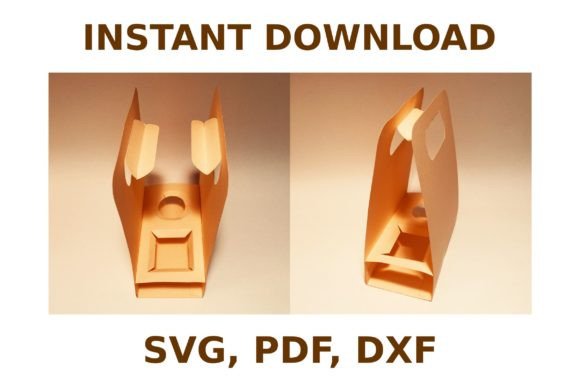
Fast Food Bag Template: 3D SVG Shapes Review
As a brand designer specializing in local business identity, I approach every new graphic design asset with a critical eye for practical application. When evaluating the Fast Food Bag Template for a recent rebranding project involving an artisanal bakery and coffee roaster, my primary concern was versatility. Small business branding requires assets that bridge the gap between digital marketing visuals and physical packaging design. This template immediately struck me as a robust solution for businesses needing professional-grade presentation without the overhead of custom structural engineering.
The first impression of this asset is one of functional modernity. It does not scream "generic fast food" but rather suggests a clean, efficient, and contemporary aesthetic suitable for gourmet takeout, boutique bakeries, or handmade food sellers. The mood is approachable yet polished, striking a balance that is often difficult to achieve in commercial design. For a local business owner, this specific tone communicates trust and hygiene, which are paramount in food-related brand identity. The shapes included feel intentional, offering a structured canvas that elevates simple paper goods into branded touchpoints.
Elevating Physical Packaging and Brand Identity
In my work with food businesses, the transition from logo design to actual product packaging is where many brands falter. The Fast Food Bag Template serves as a vital link in this chain. During my evaluation, I tested this asset specifically for its ability to hold up in real-world production environments. The fact that the ZIP archive contains SVG, DXF, and PDF files is a significant advantage for hybrid workflows. For my bakery client, we utilized the SVG files for laser-cutting custom window inserts and the PDF files for high-resolution offset printing on the bags themselves.
For creative entrepreneurs and handmade sellers using cutting machines, the compatibility with Silhouette and Cricut is seamless. I verified the node structure, and the lines are clean, meaning less time spent fixing vector errors and more time focusing on brand consistency. Because measurements depend on paper size, this template offers scalability that rigid pre-set dimensions cannot. This flexibility allowed us to adapt the design for both small pastry bags and larger loaf carriers, maintaining a cohesive visual hierarchy across different product lines. All templates have been tested for quality, which gave me the confidence to recommend them for direct commercial use without fearing registration issues during print runs.
Digital Mockups and Social Media Graphics
Modern brand identity extends far beyond physical touchpoints; it lives on screens. One of the most valuable aspects of this 3D SVG asset is its utility in creating product mockups for social media graphics and web design. When launching a new seasonal menu for my client, we needed promotional visuals before the physical packaging had arrived from the printer. By utilizing the vector shapes within this template, I was able to construct realistic digital representations of the branded bags.
This capability is essential for marketers and social media managers who need to maintain momentum during product development phases. The 3D nature of the SVG allows for depth and shadow manipulation that flat clipart simply cannot provide. We used these mockups for Instagram announcements, website banners, and digital menu boards. The result was a professional branding presence that looked established and trustworthy, even while the physical assets were still in production. For small business owners managing their own marketing, this dual-purpose functionality maximizes the return on investment for the design asset.
Strategic Placement in Commercial Design
Understanding where to apply this Fast Food Bag Template is just as important as the asset itself. In my experience, this template excels in specific areas of commercial design:
- Hero Graphics: Use the bag shape as the central focal point in flyers, posters, and digital ads to instantly communicate the product category.
- Packaging Accents: Utilize the DXF files to create die-cut stickers or seals that align perfectly with the bag’s fold lines.
- Editorial Design: Incorporate the outline in menus or price lists as a decorative border or background element to reinforce brand recognition.
- Thank-You Cards: Scale down the template to create custom-shaped inserts that fit inside the bag, adding a tactile unboxing experience.
- Seasonal Campaigns: Because it is a vector-based printable design, colors and patterns can be swapped easily for holidays without redrawing the structure.
These applications help create a stronger emotional connection with customers by providing a consistent visual language across all touchpoints. Better shelf appeal and improved customer trust are natural byproducts of this level of detail in small business branding.
Navigating Limitations and Visual Hierarchy
While versatile, this asset must be used with intention. I advise against using this template in formal corporate branding contexts where rigid geometric precision is required over illustrative charm. Additionally, designers should exercise caution when placing dense legal information or ingredient lists directly over complex folds of the 3D SVG. The visual hierarchy can become muddled if the decoration competes with mandatory compliance text. For luxury minimalist brands, the template may need to be stripped back significantly; sometimes, less is more. Always ensure there is adequate negative space so the bag shape supports the content rather than overwhelming it.
Practical Designer Notes for Implementation
Before integrating the Fast Food Bag Template into your next project, I recommend a rigorous testing protocol based on my own workflow. First, always test the asset on real packaging mockups at actual size. Screen resolution can be deceiving, and you need to verify that the proportions feel correct in hand. Check black and white usage to ensure the design relies on form rather than just color; this guarantees legibility in single-color print runs or embossing applications.
Typography pairing is another critical step. Test the template beside serif fonts for a traditional bakery feel, sans serif fonts for modern cafes, and handwritten fonts for organic or farm-to-table concepts. The interaction between the bag’s geometry and your chosen typeface defines the overall brand personality. Furthermore, inspect the SVG editability. Can you easily adjust the flap length or width? This is crucial when measurements depend on paper size variations. Finally, and most importantly, confirm the commercial license. As a professional, I never use design assets for client work or physical product sales without verifying that the licensing terms cover commercial distribution. This protects both the designer and the business owner from future legal complications.
Ultimately, the Fast Food Bag Template represents a high-value tool for the creative marketplace. It solves specific problems in packaging design and brand presentation while offering enough flexibility to serve diverse niches within the local business ecosystem. Whether you are a florist wrapping bouquets, a candle maker packaging goods, or a cafe owner updating your takeout experience, this asset provides the structural foundation necessary for professional branding. By treating it as a core component of your visual strategy rather than just a decorative add-on, you can achieve a level of polish that rivals major chains, all while retaining the unique character of your handmade or local business.