Gift Box Template SVG & DXF: A Maker’s Review
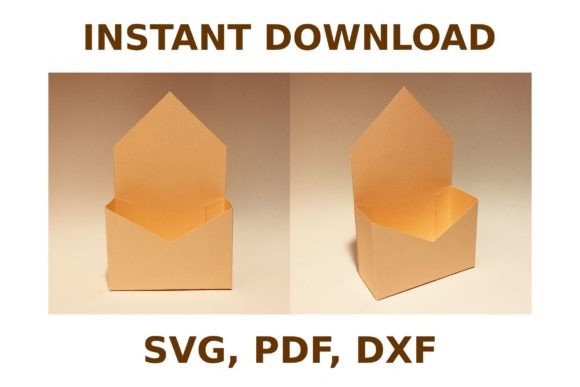
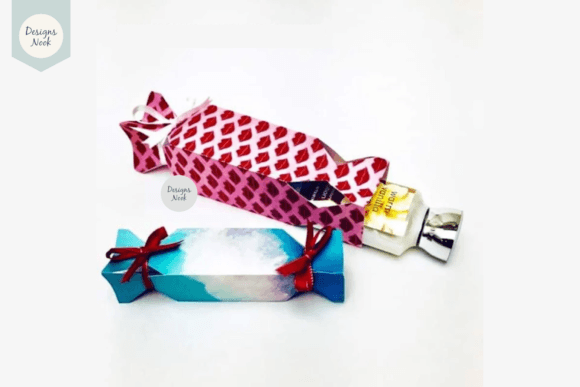
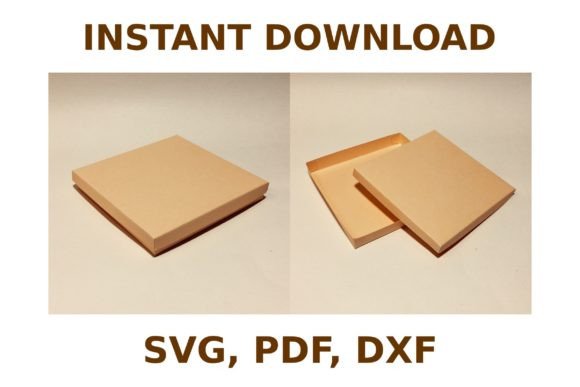
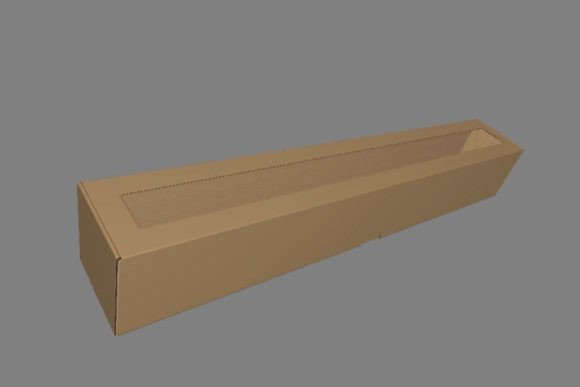
As a professional embroidery designer and product reviewer, I approach every new digital asset with a critical eye. When evaluating the Gift Box Template SVG, Box DXF, my first thought isn't just about the aesthetic appeal of the shape; it is about structural integrity and practical application in a real-world studio environment. This file set, categorized under Shapes and identified as a 3D SVG, presents an interesting opportunity for makers who bridge the gap between digital cutting and textile embellishment. The dimensions provided (1.65”x1.65”x11.02” or 4.2×4.25×28 cm) suggest a specific, elongated form factor that requires careful consideration before you commit thread to fabric or blade to paper.
First Impressions and Structural Reality
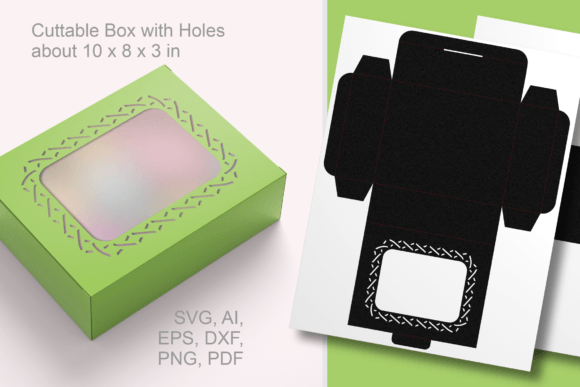
Upon opening the ZIP file, which includes PDF, JPG, EPS, PNG, SVG, and DXF formats alongside instructions, the immediate impression is one of versatility. However, as an experienced designer, I look past the clean vector lines to imagine the physical translation. The mood this template creates is inherently celebratory yet structured. It feels precise. For an Etsy seller or small shop product creator, this geometric clarity communicates professionalism. Unlike organic, hand-drawn shapes that forgive minor alignment errors, a box template demands accuracy.
The inclusion of both SVG and DXF formats is crucial for those of us working with hybrid workflows. While the SVG serves laser cutters and crafting plotters perfectly, the DXF ensures compatibility with industrial cutting tables or older software often used in commercial embroidery shops for creating custom appliqué templates. The PDF instructions are a welcome addition, as they provide the necessary assembly logic that raw vector files cannot convey. My initial assessment is that this is not merely a decorative outline but a functional construction guide intended for tangible, three-dimensional results.
Real-World Application: Custom Packaging and Apparel Accents
To truly test the value of this Gift Box Template SVG, Box DXF, I mentally placed it into a current client project involving a boutique skincare line requiring personalized holiday packaging and matching staff apparel. In this scenario, the template serves a dual purpose. First, as a cutting file for creating uniform gift boxes from cardstock. Second, as a foundational shape for a machine embroidery design on cotton tote bags and aprons.
For the tote bag design, I utilized the template to create a large-scale appliqué. Because the shape is geometric, it allowed for crisp, straight satin stitch borders that framed the box perfectly. The visual personality of the stitched box acted as a "frame" within the embroidery, allowing me to add monograms or seasonal motifs inside the boundaries without the design looking cluttered. This is where the template shines for custom apparel; it provides a safe zone for personalization. Customers react positively to this because the structured shape implies high-quality branding rather than a haphazard craft project. For holiday embroidery specifically, this template elevates a standard gift motif into something that looks like premium merchandise.
Navigating Fabric Limitations and Hoop Constraints
While the design is scalable, practical experience dictates caution. The listed dimensions include an 11.02” length, which exceeds many standard embroidery hoops. If you intend to stitch this at full size for a pillow cover or large tote, you must verify your maximum hoop size before purchasing. Resizing a complex 3D-style template can sometimes distort tab placements or fold lines if the aspect ratio is locked incorrectly in your digitizing software.
Fabric texture plays a massive role in the success of this specific shape. On stable fabrics like canvas, denim, or twill, the Gift Box Template SVG, Box DXF translates beautifully. The straight lines remain true, and the corners stay sharp. However, I would advise extreme caution when using this on stretchy knits or highly textured terry cloth without significant stabilization. Geometric shapes expose fabric distortion more than organic ones do. If the fabric pulls even slightly during the satin stitch border, the box will look warped, undermining the professional finish you are aiming for. For baby embroidery on onesies or stretchy blankets, consider reducing the size significantly and using a lightweight cut-away stabilizer to maintain the integrity of the straight edges.
Elevating Product Value and Brand Consistency
In the competitive landscape of handmade products and digital product sales, consistency builds trust. Using a precise template like this ensures that every item in a collection shares identical proportions. When I reviewed this asset for potential use in printable mockups, the clean vector lines rendered perfectly for digital previews, helping buyers visualize the finished product before production begins. This reduces return rates and increases buyer engagement.
Furthermore, the ability to use the same source file for both physical cutting (DXF/SVG) and embroidery placement creates a cohesive brand identity. A customer receiving a gift in a box cut from this template, wrapped in tissue paper featuring an embroidered patch derived from the same shape, experiences a level of detail that justifies higher price points. The visual appeal lies in the repetition and precision. Whether used for wedding gifts, corporate swag, or nursery decor, the template acts as a unifying visual anchor.
Critical Designer Notes for Successful Execution
Before you load this file into your machine or cutter, heed these practical recommendations derived from years of troubleshooting similar assets:
- Test Stitch Density: Always run a test sew-out on scrap fabric identical to your final project. Check if the running stitch guidelines align with your satin stitch borders. If the template is meant for appliqué, ensure the tack-down stitches are sufficient to prevent fraying at the sharp corners.
- Verify Licensing: Confirm whether the license permits selling finished physical items versus reselling the digital file itself. This distinction is vital for Etsy sellers and creative entrepreneurs protecting their business.
- Contrast Checks: Test the design in black and white mockups and on both light and dark fabrics. A box outline that pops on white linen might disappear on navy velvet unless you adjust thread colors or add a contrasting fill stitch.
- Stabilizer Selection: Do not rely solely on tear-away stabilizer for this shape. The long straight lines require the support of a cut-away or fusible mesh to prevent tunneling, especially if the design includes dense satin borders.
- Corner Inspection: Zoom in on the vector nodes. Ensure the corners are mitered or rounded appropriately for your needle type. Sharp 90-degree angles in vectors can sometimes cause needle breaks or thread bunching if not optimized for embroidery digitizing.
- Assembly Logic: Since this is a 3D SVG, review the PDF instructions thoroughly before cutting expensive materials. Understand which tabs correspond to which slots to avoid wasting vinyl, leather, or cardstock.
Final Verdict for Makers and Sellers
The Gift Box Template SVG, Box DXF is a robust utility asset for the serious maker. It bridges the divide between digital fabrication and traditional needlework effectively. Its success depends entirely on your understanding of material limitations and proper stabilization techniques. For those producing personalized gifts or branded merchandise, this template offers a foundation of professionalism that freehand drawing rarely achieves. Just remember to respect the geometry: measure twice, stabilize well, and always test your stitch density. When executed correctly, this shape transforms simple fabric into structured, sellable art.