Lunch Box 3D SVG for Gift Boxes & Digital Sales
Evaluating Market Viability for a New Digital Product Collection
When sourcing assets for a seasonal shop update or a new niche collection, the first impression determines whether a file makes the cut. As a digital product creator preparing listings for Etsy and Creative Fabrica, I approach every graphic design asset with a critical eye toward commercial viability. The Lunch Box template immediately stands out because it bridges two high-demand categories: functional packaging and decorative gift boxes. It does not feel like a generic geometric shape; rather, it possesses a playful yet structured visual personality that appeals to crafters, party planners, and small business owners looking for unique packaging design solutions.
The mood of this asset leans toward cheerful utility. It strikes a balance between handmade charm and professional precision, making it suitable for both rustic farmhouse aesthetics and modern minimalist branding. For sellers targeting the back-to-school niche, picnic season, or holiday treat exchanges, this 3D SVG offers immediate relevance. However, beyond its aesthetic appeal, the true value lies in its technical versatility. As a container template designed to hold foods, snacks, and meals, it solves a specific problem for buyers who need physical presentation solutions, while simultaneously serving as a rich source of derivative digital downloads.
Transforming a Container Template into Multiple Revenue Streams
A single SVG design should never be limited to just one end-use if you want to maximize ROI in a creative marketplace. In my shop testing phase, I evaluate how an asset can be fractured into multiple distinct products. This lunch box template is compatible with Silhouette and Cricut machines, which is the baseline requirement for the crafting community, but its potential extends far beyond paper cutting.
- Printable Packaging: Since the template prints on any paper size, it is ideal for creating scalable printable design files. Sellers can offer A4, Letter, and large-format versions for customers making everything from tiny favor boxes to substantial meal containers.
- Sublimation and POD: The flat layout of the template before assembly serves as excellent real estate for sublimation design. I tested wrapping the unfolded vector around tumbler templates and tote bag mockups. The structural lines add a unique "blueprint" aesthetic that differentiates standard merchandise.
- Digital Planner Stickers: By simplifying the fold lines and adding color fills, this asset converts easily into digital planner stickers or scrapbooking kits. The recognizable silhouette works well at small scales for journaling enthusiasts.
- Social Media Assets: Content creators often struggle with visual metaphors for food and nourishment. This illustration works perfectly as a background element or focal point for Instagram stories promoting meal prep services, nutrition coaching, or kids' lunch ideas.
For Canva template sellers, this asset provides a customizable base. You can lock the structural lines and allow customers to drag and drop their own patterns or branding into the panels, turning a simple box into a fully editable brand identity tool for bakeries or caterers.
Optimizing Listing Images and Perceived Value
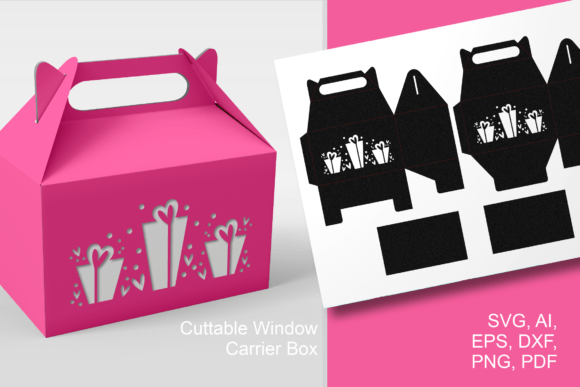
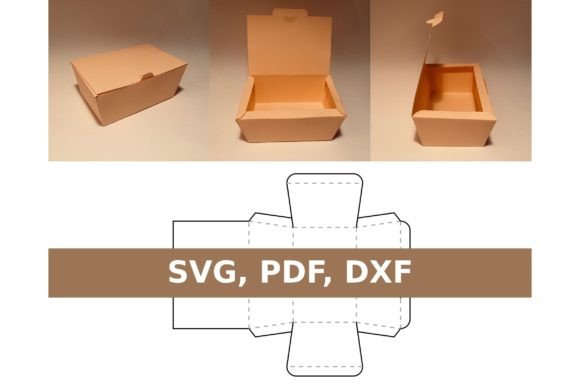
In the world of Etsy products and digital sales, your thumbnail is your storefront. A 3D object like this lunch box has a significant advantage over flat clipart because it implies volume and utility. When designing listing images, I recommend rendering the assembled box alongside the flat cut file. This visual hierarchy instantly communicates to the buyer that they are receiving a functional construction template, not just a picture of a box.
Mockup previews are non-negotiable for this type of commercial design. Do not rely solely on digital renders. Print the box, assemble it, fill it with actual snacks, and photograph it in natural light. This validates the "fit" claim in the product description and builds customer trust. Buyers need to see that the tabs align correctly and that the finished product looks sturdy. Furthermore, showing the box in context—perhaps next to a matching napkin or tag created from the same design bundle—increases perceived value and encourages upsells.
For small business branding, consistency is key. If you are selling this as part of a larger picnic or school collection, ensure the line weight matches your other assets. Visual cohesion across thumbnails signals professionalism and makes your shop look curated rather than chaotic.
Technical Constraints and Quality Control Checks
While versatile, this asset requires careful handling to avoid negative reviews. As an experienced seller, I have found that structural templates are unforgiving. Before publishing, you must verify the cut quality. Complex fold lines can sometimes register as cut lines in certain software, leading to frustrated crafters. Always provide separate files for "Cut Only" and "Score/Fold Only" layers. Test these on both Cricut Design Space and Silhouette Studio to ensure compatibility.
Be cautious when using this design for tiny applications. While it works as a sticker, intricate tab details may get lost at sub-1-inch sizes. If offering a sticker design variant, simplify the geometry significantly. Similarly, avoid placing detailed text directly over fold lines; when the box is assembled, the text will distort, ruining the user experience.
Contrast is another critical factor. This template relies on clean lines. On dark backgrounds or low-resolution print products, the scoring guides may disappear. Always test print on both white and colored cardstock. If selling PNG design files for digital use, ensure the transparency is clean and the resolution is at least 300 DPI at the maximum intended print size. Blurry edges on a structural template suggest poor quality and will hurt your conversion rate.
Seller Notes: Licensing, Fonts, and File Organization
Success in the print-on-demand and digital download space comes down to the details that happen after the sale. Clear file organization reduces support tickets. Group your files logically: separate folders for SVG, DXF, PNG, and PDF formats. Include a read-me file that specifies the commercial license terms explicitly. Can buyers sell physical boxes made from this template? Can they sell the digital file as-is? (The answer should usually be no). Clarifying this protects your intellectual property and sets professional boundaries.
Typography pairing can elevate this asset from a simple container to a premium product. In my testing, bold sans-serif fonts work best for modern lunch themes, while handwritten scripts enhance the "homemade" vibe for gift favors. Avoid overly ornate display fonts that compete with the structural lines of the box. The text should complement the form, not obscure it.
Finally, always respect the original creator’s licensing. If you are using this Lunch Box asset to build a new product, ensure your usage rights cover commercial modification and resale. Ethical selling practices sustain the ecosystem for everyone. By thoroughly vetting this illustration through technical tests, mockup creation, and license verification, you transform a simple container template into a robust, profitable addition to your handmade business or digital shop. This deliberate approach minimizes risk and maximizes the long-term earning potential of your creative assets.