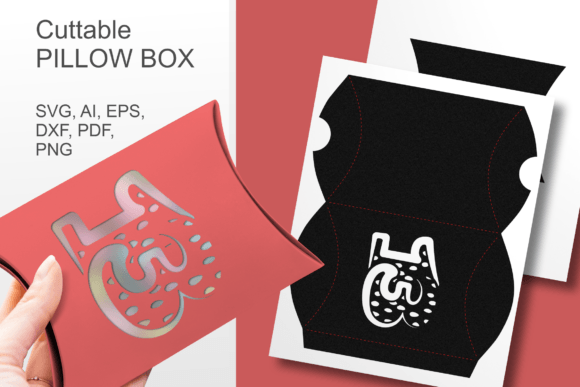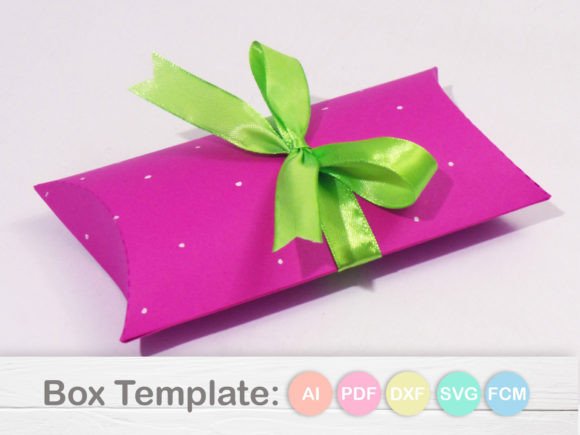
Minimalist Pillow Box Template: 3D SVG for Gift Boxes
Evaluating Structural Elegance for Boutique Packaging Projects
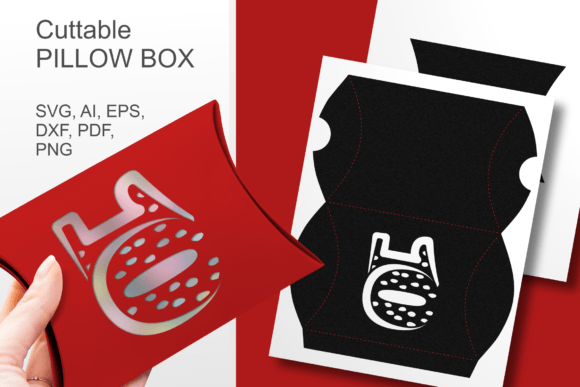
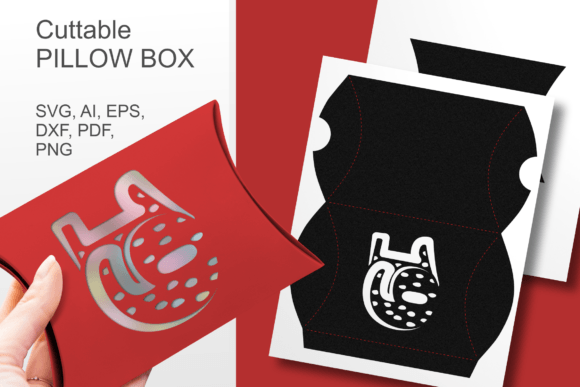
When reviewing a new graphic design asset for a client project, my first assessment always focuses on versatility and structural integrity. Recently, while developing a cohesive unboxing experience for a handmade jewelry brand, I tested the Minimalist Pillow Box Template to see if it could anchor our packaging design strategy. The immediate impression was one of refined simplicity. Unlike overly ornate templates that compete with branding, this asset offers a clean canvas that respects negative space. For a handmade business or boutique line, this restraint is crucial. It signals modern sophistication rather than generic craftiness.
The mood created by this template is airy and contemporary. In the context of gift boxes, minimalism often translates to perceived value. When I imported the files into my workspace, the geometry felt precise, suggesting that the final physical product would hold its shape well—a critical factor when designing for e-commerce where shipping durability matters as much as aesthetics. This isn't just a decorative element; it is a functional piece of commercial design intended to elevate the customer's tactile experience.
Technical Versatility Across Vector Formats and Cutting Machines
A major pain point in creative design workflows is file incompatibility. As a professional, I need assets that transition seamlessly between Adobe Illustrator for print proofs and cutting software for prototyping. This template excels here. The inclusion of AI and SVG formats ensures that I can manipulate stroke weights and dimensions without losing fidelity. For clients utilizing Cricut or similar machines, the DXF and Studio3 files provide immediate utility for Cricut project workflows.
Specifically for Scan N Cut users, the dedicated FCM file is a significant time-saver. Importing directly to the Canvas Work Space eliminates the conversion errors often seen when forcing standard SVGs into proprietary ecosystems. However, a practical note for designers: if you opt to use the SVG instead of the FCM, verify your cut lines immediately. Sometimes node placement differs slightly between universal vectors and machine-specific formats. Having PDF options also allows me to send accurate dimensional specs to commercial printers who may not work with vector art directly, making this a truly comprehensive design bundle.
Integrating 3D SVG Assets into Brand Identity Systems
In a recent rebrand for an artisanal candle maker, we needed packaging that photographed well for social media graphics but remained cost-effective to produce. The Minimalist Pillow Box Template served as a foundational element for their brand identity. Because the design relies on form rather than surface pattern, it pairs exceptionally well with varied typography. I tested it against bold sans-serifs for a modern look and delicate serifs for a heritage feel; both worked because the template maintains strong visual hierarchy.
This asset performs best in large layout areas where the silhouette can breathe. It is ideal for hero graphics on websites, Pinterest pins showcasing product launches, and editorial spreads. As a product mockup, it provides realistic depth without requiring complex 3D rendering software. For digital sellers and Etsy shop owners, using this template to create consistent listing photos helps build visual trust. The uniformity suggests professionalism, distinguishing a serious small business branding effort from amateur hobbyist listings.
Optimizing Readability and Commercial Application
While versatile, this template requires careful application. Minimalist structures leave little room for error. Avoid placing this asset against busy backgrounds or low-contrast textures, as the subtle fold lines may disappear. In marketing visuals, ensure there is sufficient padding around the box. Crowded layouts diminish the premium feel that pillow boxes inherently possess. Furthermore, if your client requires extensive regulatory text or ingredient lists, this specific shape may be too limited. It works best as a secondary packaging layer or for gift sets rather than primary compliance packaging.
Readability extends beyond text; it includes the legibility of the form itself. When scaled down for Instagram stories or favicon-sized previews, test the contrast. Does the box still read as a three-dimensional object, or does it flatten into an ambiguous shape? For print-on-demand applications, verify that the bleed areas align with your provider’s specifications before committing to a full run. Emotional appeal in packaging comes from clarity; if the customer cannot instantly understand how to open or interact with the box, the design has failed regardless of its aesthetic beauty.
Essential Pre-Flight Checks for Professional Designers
Before deploying any digital product in a paid campaign, rigorous testing is non-negotiable. Here is my checklist for validating this template for client work:
- Monochrome Testing: Always preview the design in black and white first. If the structure relies solely on color to define edges, it will fail in single-color printing or embossing scenarios.
- Material Simulation: Test print on both matte and glossy cardstock. Minimalist designs show fingerprints and scoring marks easily. Ensure the template’s fold lines are calibrated for your specific paper weight to prevent cracking.
- Typography Pairing: Compare the template against your chosen font families. Script fonts can soften the geometric rigidity, while display fonts reinforce the modern edge. Ensure text placement avoids structural stress points.
- Licensing Verification: Confirm the commercial license terms. If you are creating physical products for sale versus selling digital templates, the usage rights often differ. Protect your client and yourself by reading the fine print.
- Vector Editability: Open the SVG in your primary vector editor. Check for grouped layers and editable nodes. A true professional asset should allow you to adjust tab sizes and flap depths without breaking the geometry.
Balancing Aesthetic Purity with Functional Reality
The Minimalist Pillow Box Template represents a high-value addition to any designer’s library of design assets. Its strength lies in its ability to bridge the gap between digital visualization and physical fabrication. For content creators and bloggers, it offers a photogenic subject for DIY tutorials. For marketers, it serves as a tangible touchpoint in digital campaigns. However, its success depends entirely on respectful implementation.
Treat this asset as a structural component of your creative marketplace offerings rather than mere decoration. When used correctly, it enhances the unboxing narrative, supports sustainable material choices through efficient nesting, and elevates the perceived worth of the enclosed product. Whether you are designing stickers, t-shirts, or luxury retail packaging, maintaining this level of intentionality ensures that your final output resonates with authenticity and professional polish. Ultimately, this template is a tool for storytelling, allowing brands to communicate quality through silence and form.