Wisteria Tree Mini Paper Plant Template: 3D SVG Review
Evaluating Botanical Whimsy for Boutique Branding Projects
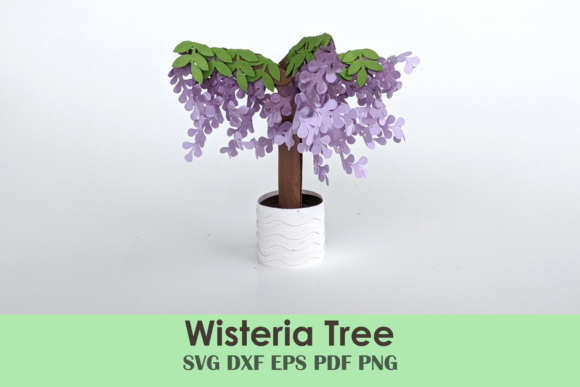
When reviewing a new graphic design asset for a client project, my first question is always about emotional resonance. Does this element communicate the intended mood instantly? Upon opening the Wisteria Tree Mini Paper Plant Template, the immediate impression is one of delicate craftsmanship and organic softness. Unlike flat vector illustrations, this 3D SVG captures the tactile nature of paper flowers through layered geometry and shadow play. For a current project involving a handmade skincare line launching a spring collection, this asset offers a specific visual texture that standard clipart cannot replicate. It feels artisanal rather than manufactured, which is crucial for small business branding where authenticity drives consumer trust.
The dimensions listed as 3.5 W x 3 H indicate a compact footprint, suggesting this template is designed for intentional placement rather than background filling. In a professional creative design workflow, this scale forces deliberate composition. It works exceptionally well as a focal point in packaging design, specifically on small boxes or jar labels where the intricate petal details can be appreciated without overwhelming the product name. The cardstock aesthetic bridges the gap between digital perfection and physical reality, making it an ideal candidate for brands that want their digital product listings to feel tangible and grounded.
Strategic Applications Across Packaging and Digital Media
In real-world application, the versatility of this Wisteria Tree Mini Paper Plant Template depends heavily on context. During a recent concept phase for a bridal stationery suite, I tested this asset across multiple touchpoints. For social media graphics, particularly Instagram carousels and Pinterest pins, the 3D depth creates natural negative space for text overlays without requiring heavy drop shadows or artificial borders. The organic curves of the wisteria guide the viewer’s eye through the layout, supporting a strong visual hierarchy that feels effortless.
For Cricut project users and makers, the template serves a dual purpose. As a printable design, it provides high-fidelity visuals for mockups and marketing materials. Simultaneously, if the file includes cut lines, it functions as a blueprint for physical creation. This duality is valuable for Etsy product sellers who need cohesive marketing visuals that match their physical inventory. I found the asset particularly effective for product mockup enhancement; placing the miniature tree beside a cosmetic bottle added necessary scale reference and lifestyle context that elevated the perceived value of the item.
However, designers must be strategic about where this asset lives within a brand identity system. It shines in decorative roles: adorning the corners of editorial design spreads, accentuating web design hero sections, or adding charm to sticker design sheets. It supports a narrative of care and patience, aligning perfectly with wellness, beauty, and craft niches. When used in Canva template creation, it acts as a premium differentiator, moving designs away from generic stock aesthetics toward something that feels curated and bespoke.
Navigating Visual Limitations and Hierarchy Challenges
Despite its charm, the Wisteria Tree Mini Paper Plant Template requires careful handling to maintain professionalism. The intricate layering that gives paper flowers their realism can become visual noise if misused. In my testing, placing this asset against busy photographic backgrounds resulted in a loss of definition. The subtle shadows that create the 3D effect disappear against mid-tone textures, flattening the design and reducing its impact. For commercial design work, I recommend using solid, muted backgrounds or ample white space to let the botanical details breathe.
Size is another critical constraint. At smaller scales, such as favicon sizes or dense body text margins, the fine details of the wisteria blooms can muddy together. This asset should not be used as a secondary bullet point icon or in footers where clarity is paramount. It demands prominence. Furthermore, for minimalist modern design projects or corporate tech branding, the ornate nature of this template may clash with clean, grid-based layouts. It is inherently romantic and traditional; forcing it into a stark, industrial aesthetic creates cognitive dissonance that undermines visual trust.
Readability must also be prioritized. When integrating this illustration into logo design or wordmarks, ensure the typography does not compete with the floral density. Script fonts can sometimes tangle visually with the vine structures, whereas a clean sans-serif or structured serif often provides better contrast and legibility. Always test the combination at actual print size before finalizing any design assets for production.
Technical Due Diligence for Commercial Design Workflows
Before committing this Wisteria Tree Mini Paper Plant Template to a paid client deliverable, rigorous technical validation is non-negotiable. My pre-flight checklist for any SVG design or PNG design includes several specific tests to ensure commercial viability:
- Monochrome Testing: Convert the asset to pure black and white. If the 3D form relies entirely on color gradients rather than luminance values, it will fail in single-color printing or embossing applications. A robust sublimation design or cut file must hold its shape without color cues.
- Contrast Verification: Test the asset on both pure white and deep charcoal backgrounds. Ensure the edges remain crisp and the internal shading remains visible. This confirms flexibility for diverse print-on-demand products like dark t-shirts versus light tote bags.
- Vector Integrity: If using the SVG format for scaling, inspect the node structure. Excessive anchor points can cause lag in cutting machines or rendering issues in browsers. Clean paths are essential for professional Cricut project execution and large-format printing.
- Typography Pairing: Systematically test the asset against your chosen typeface. Check for optical alignment issues where the irregular organic edge of the wisteria might make centered text appear off-balance.
- Licensing Confirmation: Scrutinize the commercial license terms. Verify whether the asset can be used in client branding, if there are limits on physical sales units, or if modification is required. Understanding these boundaries protects both the designer and the client from legal exposure in the creative marketplace.
Final Assessment for Professional Creative Use
The Wisteria Tree Mini Paper Plant Template represents a high-value addition to a designer's toolkit when applied with intention. It excels in projects requiring warmth, texture, and a handcrafted sensibility. For handmade business owners and marketers targeting audiences who appreciate slow living and artisanal quality, this asset delivers immediate atmospheric value. It transforms sterile digital canvases into inviting visual experiences.
However, its success hinges on restraint. Treat it as a featured soloist rather than a chorus member. By respecting its scale, ensuring adequate contrast, and validating its technical performance across mediums, designers can leverage this design bundle element to create sophisticated, emotionally resonant work. Whether enhancing a luxury unboxing experience or elevating a seasonal social campaign, this miniature paper plant template proves that digital botanicals can still carry the weight and wonder of real flora when executed with professional precision.