Butterfly Flap Box Template: A Designer's Review
As a professional designer who bridges the gap between digital cutting files and textile arts, I approach every new asset with a critical eye. When I first opened the Butterfly Flap Box Template - SVG DXF, my immediate thought wasn't just about paper crafting. While this file is categorized under Shapes and marketed as a 3D SVG for gift boxes, treat boxes, and favor packaging, I saw something different. I saw a structural blueprint for high-end embroidery presentation. In the world of commercial embroidery and handmade products, the unboxing experience is just as vital as the stitch quality. This review evaluates this template not merely as a cut file, but as a foundational design asset for elevating embroidered goods in a competitive market.
First Impressions: Whimsy Meets Structural Integrity
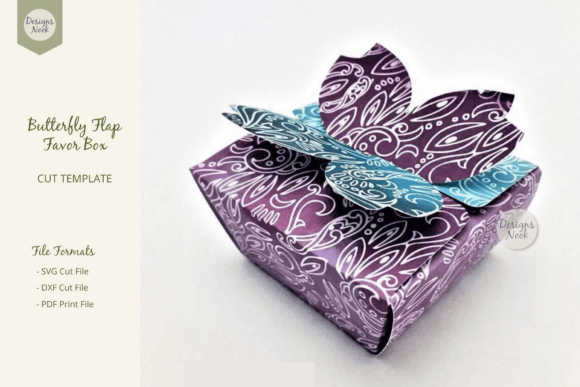
The visual personality of the Butterfly Flap Box Template - SVG DXF strikes a delicate balance. It possesses the organic, fluid lines necessary for a nature-inspired theme without sacrificing the geometric precision required for functional packaging. For an Etsy seller or boutique owner, this mood is essential. It signals to the customer that the contents are special before they even lift the lid. The butterfly flap serves as both a closure mechanism and a decorative element, eliminating the need for additional ribbons or stickers that can sometimes detract from a minimalist aesthetic.
From a technical design perspective, the vector paths appear clean. This is crucial because whether you are using this for a laser cutter, Cricut, or converting it into an applique design for fabric boxes, jagged nodes result in poor production quality. The curves of the butterfly wings transition smoothly into the box walls, suggesting that the final assembled product will sit flat and look professional. This level of detail tells me the designer understood that this shape needs to function in three dimensions, not just look good on a screen.
Real-World Application: Packaging Embroidered Baby Gifts
To truly test the viability of this template, I applied it to a recent client project involving personalized baby bibs and burp cloths. My challenge was creating a personalized gift set that felt cohesive. Standard square boxes often leave too much empty space around small baby embroidery items, causing them to shift during transit. The unique footprint of the Butterfly Flap Box offered a solution.
I utilized the SVG file to cut heavyweight cardstock that matched the thread colors of the embroidered sets. Because the template includes precise fold lines and tabs, assembly was rapid, which is a non-negotiable factor for small shop product workflows. The butterfly flap acted as a natural frame for the embroidery peeking out from inside. When photographing the finished product for social media, the sculptural quality of the box added depth to the image that a flat lay simply cannot achieve. Customers responded specifically to the "thoughtful packaging," proving that this digital embroidery file adaptation adds tangible perceived value to the core product.
Adapting Vectors for Textile Art and Applique
Creative entrepreneurs should note that the Butterfly Flap Box Template - SVG DXF has potential beyond paper. Experienced digitizers can import this vector to create a matching embroidered patch or a fabric box for storing sewing notions. However, translating a paper template to a machine embroidery design requires caution. Paper folds; fabric stretches. If you attempt to recreate this box structure entirely in fabric using satin stitch or fill stitch, you must account for material distortion.
I recommend using this shape primarily as an outline for applique design work rather than a standalone stitched box. For example, you could embroider the butterfly silhouette onto a tote bag or pillow cover as a branding element that ties back to your physical packaging. This creates brand consistency across your design assets. Always verify the licensing of the original download before selling finished embroidered items derived from this vector, as terms for physical vs. digital end-products can differ.
Production Considerations and Material Limitations
While versatile, this template demands respect for material physics. In my testing, lightweight papers failed to support the cantilevered weight of the butterfly flap when loaded with heavier items like soap or dense toys. For holiday embroidery gifts or heavier merchandise, opt for 80lb cover stock or higher. If you are adapting this for fabric, avoid thin or stretchy knits unless heavily stabilized. The intricate cuts of the butterfly wings can fray on loosely woven linen, so a tight stitch density and proper stabilizer are mandatory if stitching this motif.
Be mindful of scale. Reducing this template below its intended size risks losing the definition of the butterfly antennae and wing details. In paper, these become tear points; in embroidery, they become thread breaks or registration errors. Always check your hoop size and machine capabilities before committing to a production run. Dark fabrics also present a challenge; if cutting this shape from dark cardstock, ensure the score lines are visible enough for accurate folding, or use a light-colored liner to guide assembly.
Elevating Brand Value Through Cohesive Design
The true power of the Butterfly Flap Box Template - SVG DXF lies in its ability to unify a product line. In a saturated market, customers trust makers who pay attention to the entire ecosystem of their purchase. Using a generic mailer undermines the hours spent perfecting a sweatshirt embroidery or tote bag design. This template offers a bespoke alternative that screams "artisan."
Furthermore, this shape works exceptionally well for printable mockups. Before investing in materials, I used the vector to create digital previews for a client approval process. Being able to show exactly how their custom logo would sit within the butterfly flap box secured the contract faster than verbal descriptions alone. For digital product sellers, offering this template alongside embroidery files provides buyers with a complete solution, increasing the average order value and enhancing the utility of your shop.
Practical Notes for Makers and Designers
Before integrating this template into your workflow, adhere to these professional best practices:
- Test Cut First: Never run a full batch without a prototype. Verify that the tabs lock securely and the butterfly flap closes without gaping.
- Check Licensing: Confirm whether the license covers commercial use for physical products, digital resale, or both. Assumptions here can lead to legal issues.
- Thread Contrast: If embroidering this motif, test thread colors against your chosen fabric background. Low contrast hides the beautiful detail of the butterfly shape.
- Stabilizer Selection: For any textile application, use adequate stabilization. The complex curves require support to prevent puckering.
- Mockup Validation: Create black and white versions of the template to test visibility at small sizes. If the butterfly disappears in grayscale, it may be too detailed for thumbnails or small tags.
- File Compatibility: Ensure your software handles the SVG/DXF nodes correctly. Sometimes importing vectors requires cleaning up overlapping paths to ensure smooth cutting or digitizing.
Ultimately, the Butterfly Flap Box Template - SVG DXF is more than a simple cut file; it is a strategic tool for presentation. Whether used strictly for packaging or adapted into a complementary embroidery project, it brings a level of polish that distinguishes hobbyist work from professional craftsmanship. By understanding its structural nuances and respecting material limitations, makers can leverage this design to build stronger brands and delight customers with every unboxing moment.