Envelope Template: A Designer’s Practical Review
As a professional designer who bridges the gap between digital cutting files and needle-and-thread execution, I approach every new asset with a specific question: will this actually work in production? When evaluating the Envelope Template, my perspective shifts immediately from simple paper crafting to complex mixed-media application. While this product is categorized under Shapes and provided as a 3D SVG for platforms like Silhouette and Cricut, its true value for embroidery designers lies in its potential as a structural guide for appliqué, patch creation, and precise placement on custom apparel.
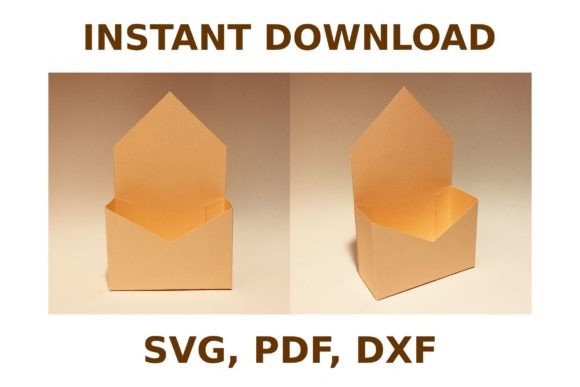
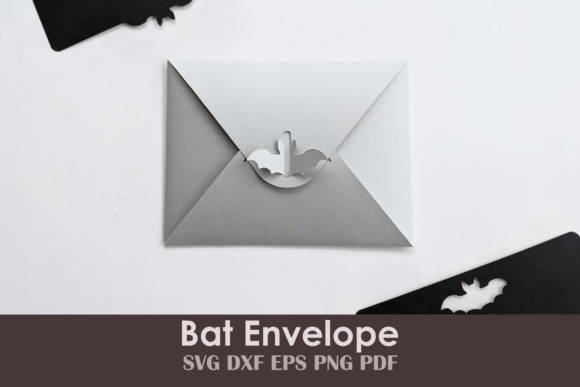
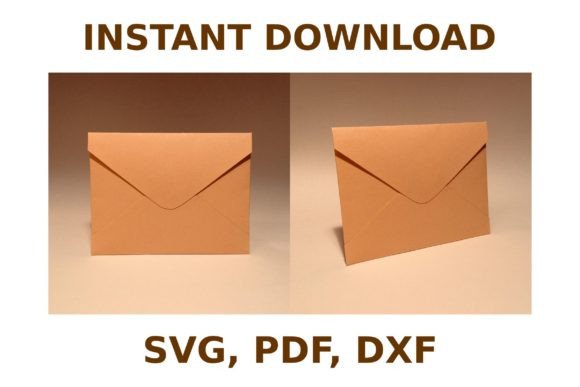
The first impression of this Envelope Template is one of clean, geometric utility. In the world of machine embroidery design, we often struggle with templates that are overly ornate or structurally unsound when translated to fabric. This design feels different. It possesses a visual personality that is organized and intentional, suggesting it was created with assembly in mind. For an Etsy seller or small shop owner, this matters because customers associate crisp lines and symmetrical shapes with high-quality handmade products. The mood here is not whimsical chaos; it is tailored precision, making it an ideal candidate for boutique branding, wedding stationery accompaniments, or personalized gifts where presentation is paramount.
Translating Vector Lines to Stitched Reality
In a recent client project involving a series of embroidered tote bags for a corporate retreat, I needed a way to create uniform fabric envelopes that could be attached to the bag exterior as functional pockets. This is where the Envelope Template proved its worth beyond standard paper use. Because the ZIP archive contains SVG, DXF, and PDF files, I was able to import the vector lines directly into my embroidery digitizing software to create a custom alignment guide.
For fellow embroidery designers and apparel decorators, this workflow is critical. Instead of guessing where to place a satin stitch border or a fill stitch background, I used the template’s exact geometry to digitize a running stitch placement line. This ensured that when I cut the fabric pieces using my Cricut, they matched the embroidery hoop size perfectly. The result was a seamless integration of cut vinyl or fabric appliqué with machine stitching. If you are creating sweatshirt embroidery or baby embroidery items, this level of accuracy prevents the "homemade" look that can deter buyers. It elevates the finished product to commercial embroidery standards by ensuring every fold line and edge is mathematically consistent.
Strategic Applications for Creative Entrepreneurs
The versatility of this Envelope Template extends far beyond simple pockets. As a digital product seller or creative entrepreneur, you should view this as a foundational design asset for multiple revenue streams. I have found it particularly effective for:
- Embroidered Patches: Using the template to define the boundary of a patch ensures that your merrowed edge or satin stitch border remains uniform across hundreds of units.
- Holiday Embroidery: Creating fabric gift card holders or money envelopes that accompany personalized holiday gifts adds a tangible value proposition to your listings.
- Nursery Decor: For baby embroidery projects, the soft geometry of an envelope shape works beautifully for keepsake pouches or quiet book elements, provided the stitch density is adjusted for safety and softness.
- Printable Mockups: Because the file includes high-quality vectors, you can use it to create professional digital mockups for your Etsy listings before you even thread a needle, helping to validate market interest.
For craft business owners, consistency is currency. Using a tested template like this reduces material waste and production time. When you are selling custom apparel or handmade products, your profit margin relies on efficiency. Knowing that the measurements depend on paper size but can be scaled proportionally in vector format means you can adapt this single design for everything from a tiny ring bearer pillow accent to a large-scale tote bag design without losing integrity.
Critical Considerations for Fabric and Stabilizer
However, practical design judgment requires honesty about limitations. An envelope shape implies folds, corners, and layers, which are notoriously tricky in embroidery. When using this Envelope Template for real projects, you must consider the physical properties of your materials. On textured fabrics like linen or canvas, the clean lines of the template may get lost if your stitch density is too low. Conversely, on thin or stretchy fabrics like jersey knits used in baby clothes, the rigidity of a dense satin stitch outline following this template can cause puckering or distortion.
I strongly advise testing the design on scrap fabric first. Check how the template’s corners translate when stitched out; sharp vector angles sometimes need to be softened slightly in digitizing to prevent thread breaks or bulk buildup. If you are working with dark fabric, ensure your thread colors provide enough contrast to make the envelope shape readable, as the visual appeal relies entirely on the silhouette. Additionally, always confirm your hoop size before committing to a layout. Since the template is scalable, it is easy to accidentally design outside your machine’s capabilities.
Stabilizer choice is non-negotiable here. For a structured envelope pocket on a tote bag, I recommend a heavy cut-away stabilizer to support the weight of the fabric layers. For lighter applications like tea towels or pillow covers, a tear-away might suffice, but only if the stitch count is moderate. Remember that while the template has been tested for quality in its digital form, its performance in embroidery depends entirely on your variable adjustments.
Professional Standards and Commercial Viability
Finally, let us address the business side of using this Envelope Template. For Etsy sellers and digital product sellers, clarity on licensing is essential. Always confirm whether your purchase allows for commercial use of finished products or if it restricts redistribution of the digital file itself. Customer trust is built on transparency; never sell a digital embroidery file derived from this template unless explicitly permitted. However, selling the physical embroidered patch, the customized sweatshirt, or the handmade gift set featuring this design is generally the intended path for monetization.
From a branding perspective, incorporating such a precise, recognizable shape helps establish brand consistency. Whether you are making wedding gifts or small shop merchandise, the envelope motif communicates containment, care, and delivery. It is a subtle psychological cue that enhances buyer engagement. By treating this Envelope Template not just as a cutting file but as a comprehensive design blueprint for your embroidery workflow, you bridge the gap between hobbyist crafting and professional manufacturing. Test it, refine your stabilizer strategy, and leverage its geometric perfection to create products that stand up to scrutiny and delight your customers.