Fairy Land Paper Toy Set: An Embroidery Designer’s Review
As a professional embroidery designer and product reviewer, I approach every new asset with a critical eye toward stitchability and commercial viability. When I first opened the Fairy Land Paper Toy Set, my immediate assessment was not just about its charm as a paper craft, but its potential as a foundation for textile art. While this product is categorized under Kids Crafts and delivered as a 3D SVG template for paper assembly, the vector lines and whimsical aesthetic present a unique opportunity for mixed-media creators. For Etsy sellers, apparel decorators, and makers of personalized gifts, understanding how to translate these digital assets into a durable machine embroidery design is key to creating high-value finished products.
Translating Whimsy to Thread: First Impressions
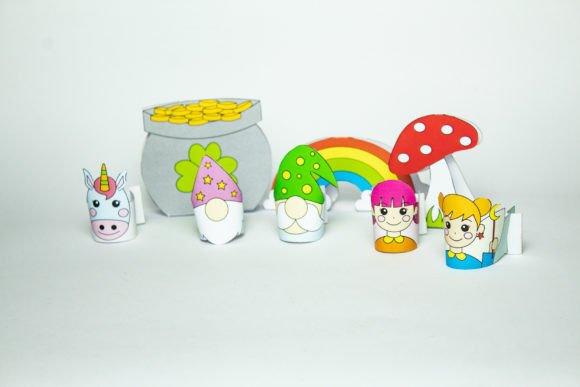
The visual personality of the Fairy Land Paper Toy Set is undeniably enchanting. The layout suggests intricate details, playful proportions, and a storybook quality that resonates deeply with customers seeking nursery decor or boutique children’s apparel. However, as an experienced designer, I look beyond the screen. The clean vector lines included in the SVG format are excellent for digitizing, but they require careful interpretation. Paper toy templates often feature sharp corners and structural tabs that serve no purpose in embroidery. My first impression is that this set offers beautiful silhouettes perfect for applique design or light fill stitch work, provided the user is willing to edit out non-essential construction lines before hitting start on their embroidery machine.
The mood is soft and imaginative, making it ideal for baby embroidery projects or holiday embroidery collections. Yet, because it originates as a paper model, the detail level is high. In a real-world embroidery project, this means we must be vigilant about stitch density. A direct conversion without editing could result in a bulletproof patch that puckers delicate fabrics. The artistic value is high, but the technical execution requires a skilled hand to ensure the handmade product feels as premium as the digital preview suggests.
Real-World Application: Custom Tote Bags and Nursery Decor
To truly evaluate this asset, I considered a specific client scenario: creating a custom embroidered tote bag for a children’s bookstore launch and coordinating pillow covers for a nursery refresh. For the tote bag design, the Fairy Land Paper Toy Set provides distinct characters that can be isolated and resized. In this context, I would utilize the SVG outlines to create a raw-edge applique design rather than a dense satin stitch. This maintains the lightweight feel of the canvas bag while showcasing the fairy theme. Customers react positively to texture, and combining the printed fabric of the applique with minimal running stitch detailing preserves the playful nature of the original art without compromising the bag's utility.
For the nursery pillow covers, the 3D aspect of the original concept inspires dimensional embroidery techniques. While we cannot replicate the paper folding in thread, we can mimic the depth by using layered felt or chenille yarn for specific elements like wings or hats. This transforms a flat digital embroidery file into a tactile experience. As a small shop product, this adaptation adds significant perceived value. Parents are more likely to purchase a personalized gift that feels bespoke and textured over a generic, flat stock design. The versatility of the Fairy Land Paper Toy Set allows for this kind of creative expansion, making it a valuable addition to a commercial embroidery portfolio.
Navigating Technical Constraints and Fabric Choices
Despite its beauty, this design demands caution in specific applications. Because the source material is designed for paper, some elements may be too delicate for certain textiles. I advise against using unmodified versions of this set on stretchy fabrics like jersey knits or ribbed sweatshirts without substantial stabilization. The intricate lines typical of fairy-themed art can get lost or distort if the fabric shifts during stitching. Always use a high-quality cut-away stabilizer for apparel and test your tension.
Furthermore, consider the hoop size and final dimensions. Tiny lettering or minute facial features from the paper template will not translate well at small scales. If you are planning cap embroidery or pocket-sized logos, you must simplify the design aggressively. Detailed corners that work in paper will cause thread breaks or bird-nesting in a machine embroidery design. On dark fabrics, ensure your thread colors provide sufficient contrast; the whimsical pastel palette often associated with fairy themes may vanish against navy or charcoal backgrounds unless outlined or backed with white. For items requiring frequent washing, such as baby clothes or kitchen towels, avoid long satin stitches that might snag. Opt for fill stitches or secure applique edges to ensure the longevity of the finished product.
Commercial Viability for Makers and Sellers
For the creative entrepreneur, the Fairy Land Paper Toy Set represents more than just a cute graphic; it is a potential revenue stream when handled correctly. However, professionalism dictates due diligence. Before listing any sweatshirt embroidery or digital embroidery file derived from this set, you must confirm the licensing terms. The product description mentions receiving a PDF with instructions for creating the craft, but it does not explicitly state commercial embroidery rights. Protect your business and customer trust by verifying whether you can sell finished items or modified design assets. Transparency builds brand consistency and buyer engagement.
From a marketing perspective, this set excels in printable mockups. Use the included PNG files to create realistic digital previews for your Etsy listings before you even thread a needle. This allows you to gauge interest and test different colorways virtually. When customers see a cohesive collection—perhaps matching bibs, blankets, and wall hangings—they recognize the thoughtfulness of the brand. The Fairy Land Paper Toy Set supports this ecosystem approach, allowing for cross-category merchandising that appeals to shoppers looking for themed party supplies or coordinated room decor.
Essential Designer Notes for Successful Execution
If you decide to incorporate the Fairy Land Paper Toy Set into your workflow, adhere to these practical guidelines to ensure professional results:
- Test Stitch First: Never run a new digitization directly on a client’s garment. Test on scrap fabric with similar weight and texture to check for registration issues or excessive density.
- Edit Vector Lines: Remove paper fold lines, glue tabs, and internal structural guides from the SVG before digitizing. These are irrelevant to embroidery and will only add unnecessary stitch count.
- Check Contrast: Review your thread colors against both light and dark fabric backgrounds. What looks vibrant on a white PDF page may need a darker outline for visibility on colored textiles.
- Stabilizer Selection: Match your stabilizer to the fabric, not just the design. Lightweight sheers need tear-away or wash-away support, while heavy denim needs sturdy cut-away backing.
- Licensing Verification: Re-read the included PDF instructions carefully regarding commercial use. If unclear, contact the designer directly before selling.
- Simplify for Scale: If adapting for small hoop sizes or patches, reduce detail. Merge small color blocks and widen thin columns to prevent needle deflection.
- Mixed Media Potential: Consider combining the paper toy aspect with embroidery. Sell a kit where the customer embroiders a panel and then assembles the 3D paper toy, bridging both crafts uniquely.
The Fairy Land Paper Toy Set offers a delightful starting point for embroidery designers willing to bridge the gap between paper crafting and textile art. By respecting the technical limitations of machine embroidery and leveraging the whimsical strengths of the original artwork, makers can produce stunning custom apparel, personalized gifts, and boutique merchandise. Success lies not in blind reproduction, but in thoughtful adaptation that honors both the medium of thread and the expectations of the modern crafter.