Hippo Christmas Sucker Holder: A Designer's Review
As a professional embroidery designer and product reviewer, I approach every new digital asset with a critical eye toward production viability. When evaluating the Hippo Christmas Sucker Holder, my primary focus is not just on its festive charm, but on how this multi-layer design translates from a screen to a tangible, high-quality finished product. This review assesses the template through the lens of real-world application for machine embroidery designers, Etsy sellers, and craft business owners who need reliable assets for holiday inventory.
First Impressions and Visual Personality
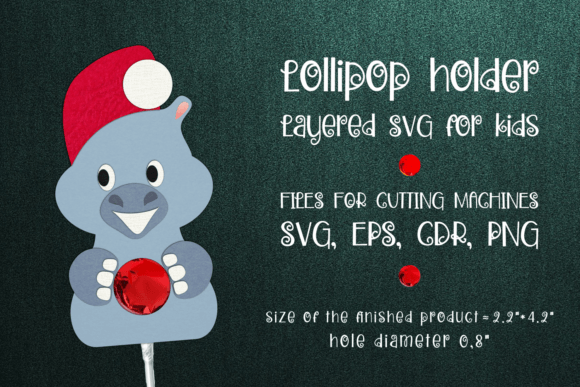
Upon opening the files, the immediate impression is one of playful functionality. The hippopotamus in a Santa hat strikes a balance between whimsical character design and structural utility. For a handmade product, mood is everything, and this design communicates warmth and humor without feeling juvenile. The layout suggests a sturdy base capable of supporting weight, which is crucial when designing functional items like lollipop holders or treat bags.
From a digitizing perspective, the separation of layers indicates thoughtful planning. A successful 3D SVG or cutting template must account for assembly ease. In embroidery terms, this translates to clear registration marks and logical stitch sequences. The visual personality here feels robust; the hippo’s shape offers ample surface area for customization, making it an excellent candidate for personalized gifts where names or dates might be added later. It avoids the cluttered look that often plagues novelty holiday designs, ensuring the final embroidered patch or applique remains legible even at smaller sizes.
Real-World Application: Custom Holiday Tote Bags
To truly evaluate this design, I mentally prototyped it for a specific commercial embroidery project: a limited-run series of holiday tote bags for a boutique client. The goal was to create a reusable gift bag that doubled as a decorative element. The Hippo Christmas Sucker Holder serves as an ideal centerpiece for this type of custom apparel or accessory.
In this scenario, the design functions as both a visual anchor and a conversation starter. When stitching onto canvas or heavy cotton duck fabric, the hippo’s broad shapes allow for clean satin stitch borders and smooth fill stitch areas. I envision using this as an applique design, where the fabric choice for the hippo itself can add texture contrast against the bag material. For small shop products, this versatility is key. You could produce a standard version for general sales and offer premium upgrades with velvet or felt textures for the Santa hat portion. The design’s inherent structure means it won’t get lost on a larger tote bag, maintaining brand consistency and professional presentation even when scaled up.
Technical Performance Across Different Substrates
A digital embroidery file is only as good as its performance on varying materials. Based on the geometry of this hippo template, here is how I anticipate it performing across common holiday embroidery projects:
- Sweatshirt Embroidery: The design appears well-suited for fleece and French terry. The likely stitch density will provide enough coverage to prevent the fabric grain from showing through, while the rounded edges of the hippo reduce the risk of puckering on stretchy knits.
- Baby Embroidery: While the theme is cute, always verify the size. For baby clothes, ensure the hoop size accommodates the design without excessive re-hooping. The simple shapes are advantageous here, as they minimize dense stitch buildup that can irritate sensitive skin.
- Kitchen Towels and Tea Towels: Linen and terry cloth require careful stabilizer selection. This design’s solid areas should digitize cleanly on these textured fabrics, provided you use a cut-away stabilizer to maintain shape integrity after washing.
- Embroidered Patches: The distinct outline makes this a strong contender for standalone patches. If producing merchandise for craft fairs, test the border width to ensure it holds up during merrowing or heat sealing.
Navigating Fabric Limitations and Hoop Constraints
While the Hippo Christmas Sucker Holder is versatile, experienced makers know where to exercise caution. This design demands respect for fabric physics. On thin or sheer fabrics, the multi-layer nature of the holder could cause drag or distortion. Always pair lightweight substrates with appropriate backing. Conversely, on highly textured fabrics like boucle or chunky knit, fine details in the Santa hat or facial features may disappear. In those cases, consider simplifying the design or increasing stitch length in your software before running the machine embroidery design.
Dark fabrics present another consideration. If the original file relies on color blending rather than high-contrast outlines, the hippo might vanish on navy or forest green backgrounds. Test black and white mockups first. You may need to add a light-colored running stitch outline or adjust thread colors to ensure the character pops against dark holiday apparel. Additionally, be mindful of curved surfaces. Placing this design on a structured cap requires checking the vertical height against your cap frame’s limitations to avoid needle strikes or distorted proportions.
Impact on Product Value and Customer Trust
For Etsy sellers and creative entrepreneurs, design quality directly correlates to perceived value. A sloppy stitch-out signals a cheap product, whereas crisp registration and balanced density signal professionalism. The Hippo Christmas Sucker Holder, when executed correctly, enhances buyer engagement because it tells a story. It isn't just a generic reindeer; it has specific character traits that appeal to niche audiences looking for unique holiday embroidery.
Using this design in printable mockups also aids sales. Because the shapes are defined and the theme is universally recognized as festive, digital previews tend to convert well. However, trust is built on accuracy. Ensure your listing photos reflect the actual stitch-out reality, not just the digital rendering. Customers appreciate seeing the texture of the fill stitch and the sheen of the thread colors in natural lighting. This transparency reduces returns and builds long-term loyalty for your craft business.
Essential Designer Notes for Production Success
Before adding this asset to your commercial embroidery lineup or personal holiday crafting, adhere to these practical checkpoints:
- Verify Licensing: Confirm whether the digital product license permits selling finished physical items versus digital files. Never assume commercial rights are included without reading the terms.
- Stabilizer Testing: Run a test stitch-out on scrap fabric identical to your final project. Check if the multi-layer alignment holds true after removing the hoop.
- Thread Color Contrast: Evaluate your palette. Does the Santa hat red clash with your base fabric? Is the hippo grey distinct enough? Small adjustments in thread selection can drastically improve visibility.
- Inspect Small Details: Zoom in on the embroidery file. Are there tiny jump stitches that need trimming? Is the lettering (if any) legible at the intended size? Clean up artifacts before mass production.
- Wash Testing: If creating tea towels or baby items, wash and dry your sample. Functional holiday embroidery must survive the season. Check for shrinkage or thread loosening.
- Mockup Validation: Create both light and dark background mockups to ensure the design assets work across your entire product range.
The Hippo Christmas Sucker Holder represents a delightful intersection of form and function for the holiday season. By approaching it with technical diligence and creative foresight, you can transform this digital download into a standout piece of custom apparel, a cherished personalized gift, or a best-selling item in your handmade shop. Remember, the success of any embroidery project lies not just in the design itself, but in the maker’s understanding of how that design interacts with thread, fabric, and the expectations of the end user.